If you’ve walked past a Mexican bakery case and pointed at the round roll with the shell-patterned sugar crust on top, you’ve met a concha — even if you didn’t know its name. At Dulcinea Panadería Oaxaqueña in Downtown San Jose, Conchas are $2.30 and among the most consistently ordered items in the case, baked fresh alongside more than 100 other varieties every single day.
So, What Is a Concha, Exactly?
A concha is a soft, slightly sweet yeast roll topped with a layer of sugary paste — usually vanilla or chocolate flavored — that’s scored before baking into a ridged, shell-like pattern. That pattern is where the name comes from: “concha” is Spanish for “seashell.” The bread underneath is enriched and pillowy, similar in spirit to brioche, while the topping bakes into a crisp, slightly crumbly sugar crust that cracks a bit as you bite through it.
Conchas are part of a much larger Mexican bread category called pan dulce (sweet bread), and they’re arguably the most recognizable single item in that category — the one most people picture when they hear “Mexican sweet bread,” even if they’ve never learned its name.
How Conchas Are Traditionally Eaten
In Mexican households and bakeries alike, conchas are a breakfast or afternoon-coffee bread, not a dessert eaten after a meal. The traditional way to have one is torn apart by hand and dunked into a hot drink — traditionally Mexican hot chocolate or coffee — which softens the bread slightly and lets the sugar topping dissolve a little into the drink itself.
At Dulcinea, that pairing is easy to recreate: a Concha alongside Oaxacan Café de Olla ($5.00) or Chocolate Caliente Abuelita ($5.25) is close to how the bread is meant to be enjoyed.
Conchas vs. Dulcinea’s Other Pan Dulce
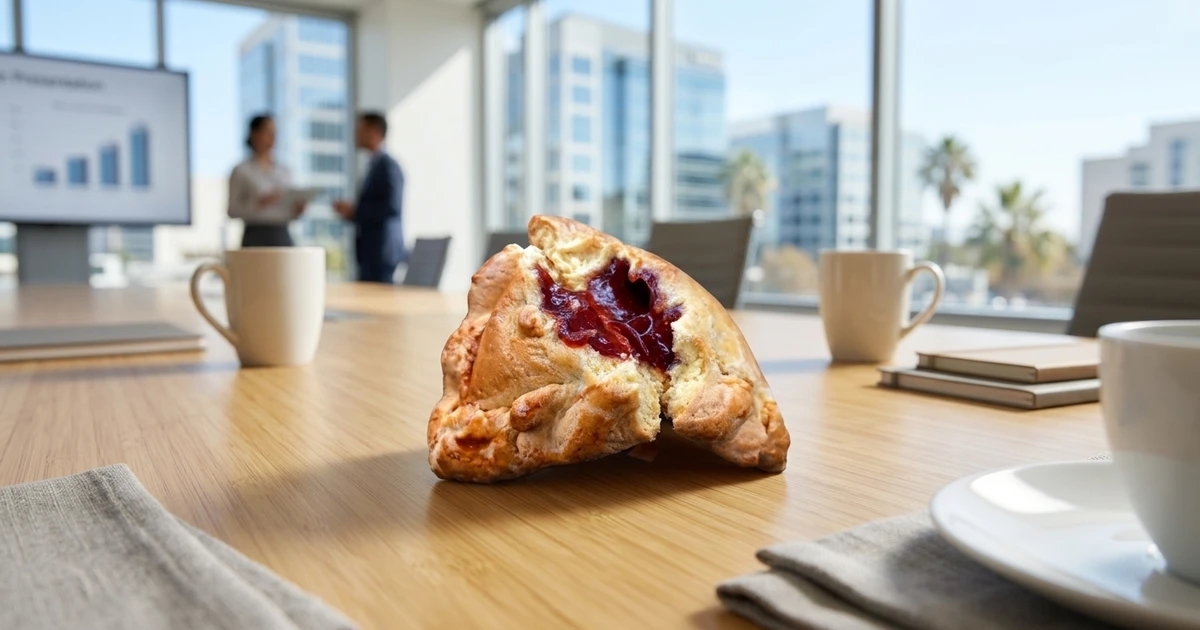
Conchas are the entry point, but Dulcinea’s Pan Dulce case goes well beyond them. If you like the concha’s soft, enriched dough but want something different, Pan de Yema Oaxaqueño ($3.25) — Oaxaca’s own egg-yolk bread — is a close cousin with a denser, richer crumb and no sugar-shell topping. For something fruit-filled instead of plain sweet, Empanadas de Guayaba ($3.55) swap the shell crust for a guava-filled pastry. And for a lighter, less sweet option, the Bolillo ($1.30) is Dulcinea’s classic savory dinner roll.
Why It’s Worth Trying at Dulcinea Specifically
Conchas are common — most Mexican bakeries carry some version. What varies a lot from bakery to bakery is freshness and how the topping is made. Dulcinea bakes its full pan dulce case, including Conchas, fresh every day starting at 5:00 AM, which is part of why the bakery has built a 4.5-star Google rating from 300+ reviews.
Frequently Asked Questions
What is a concha?
A Mexican sweet bread roll with a sugary, shell-patterned crust on top (“concha” means seashell in Spanish), sitting on a soft, slightly sweet yeasted dough.
How much is a concha at Dulcinea?
$2.30, per Dulcinea’s current menu.
What’s the difference between a concha and Pan de Yema?
Both are enriched sweet breads, but conchas have the signature sugar-shell topping, while Pan de Yema Oaxaqueño is a denser, egg-yolk-rich bread without that topping.
How do you eat a concha?
Traditionally torn by hand and dipped into hot chocolate or coffee — Dulcinea’s Café de Olla or Chocolate Caliente Abuelita work well for this.
Are conchas vegetarian?
Yes, conchas are a vegetarian item.
Does Dulcinea make conchas fresh daily?
Yes — the full Pan Dulce case, Conchas included, is baked fresh every day as part of the bakery’s 100+ daily varieties.